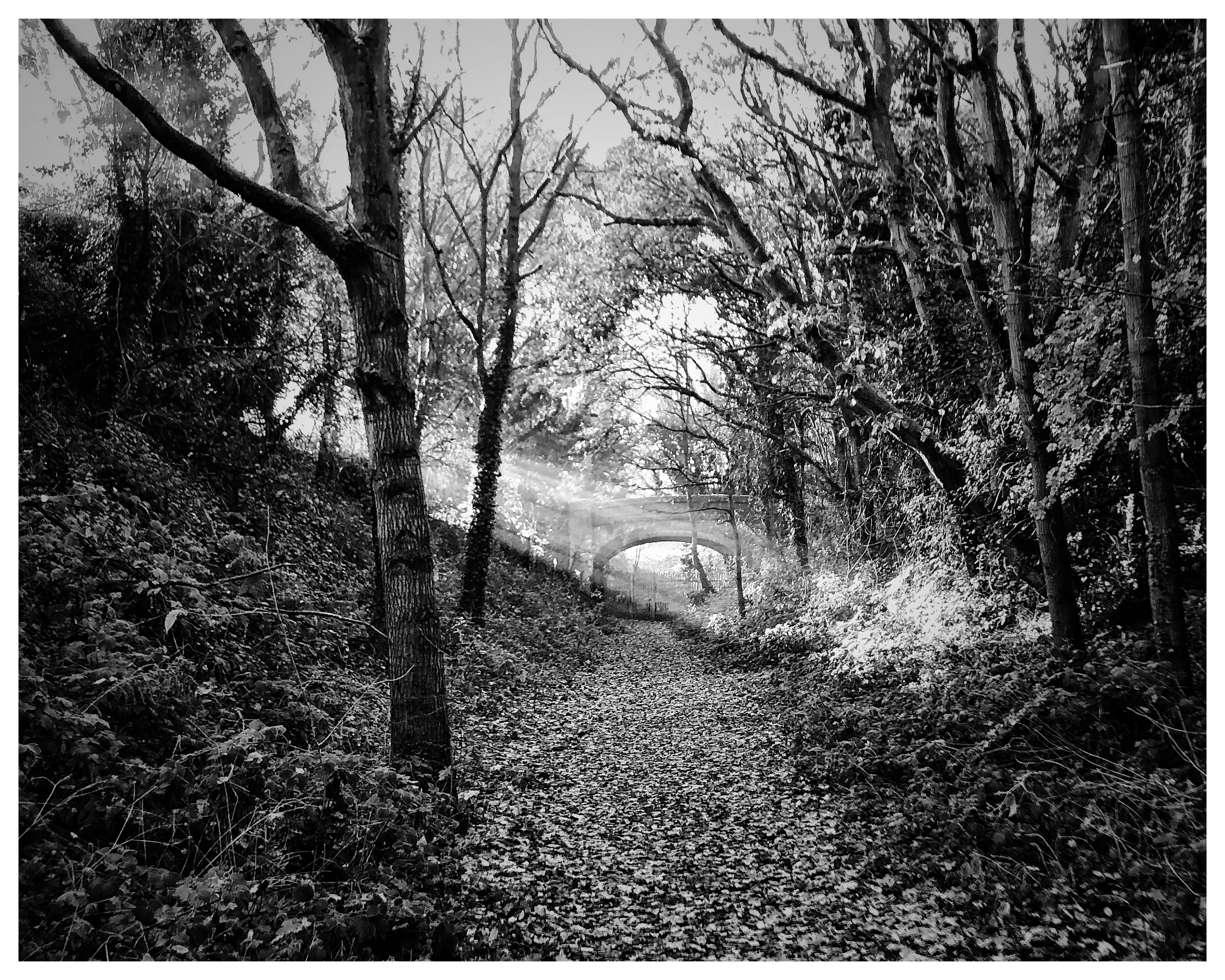
Homecoming and identity
What does it mean to return home after war when the person who left no longer exists? In both The Odyssey and The Way Back, Homer and Remarque present homecoming not as a simple return, but as a profound test of identity and an act of restoration. While Odysseus fights to reclaim a home that still endures, Ernst confronts the far more unsettling discovery that home itself has been broken apart. His journey is restorative in a different sense: through accepting loss, leaving the past behind, and learning how to grow beyond it. Together, the two texts reveal that the journey back from war is never only physical: it is also emotional, psychological, and deeply bound up with the question of who one can still become.
Home as endurance and loss
Homer’s Odyssey tells the story of Odysseus and his long, ill-fated return to Ithaca after the Trojan War. Remarque’s The Way Back, by contrast, is told through the eyes of Ernst, a German soldier returning home at the end of the First World War. One man comes back as a hero; the other returns in defeat. This contrast immediately shapes the meaning of home in each text.
Whereas Odysseus’s fate lies in the hands of the fickle gods, that of Ernst is determined by the destructive forces of European politics. When Odysseus finally reaches Ithaca, he is barely recognised, disguised by Athena to “keep him from being known by wife, townsmen, friends, till the suitors paid the price for all their outrage“. Yet despite this disruption, Ithaca remains for him a fixed point of identity and strength. His home has been threatened, but it still exists, waiting – just – for his return. Through deception, cunning and action, Odysseus restores both his home and his household.
Ernst’s experience is far more devastating. He does not return to a damaged home, but to the collapse of everything that once gave him a sense of belonging. Reflecting on this loss, he confesses: “I’ve been running around everywhere, knocking on all the doors of my youth and wanting to get back in, thinking that they would be bound to let me in, because I’m still young, after all, and wanted so much to forget. But everything has drifted away like a mirage, broken up without a sound, crumbled like dry tinder when I touched it but couldn’t get hold of it.” The image of “doors of my youth” captures his desperate wish to recover not only a place, but a former self. The simile of the mirage suggests that home has become an illusion: visible in memory, but impossible to grasp in reality.
Fragmentation and haunting
Odysseus’s journey is outwardly a physical one, full of storms, monsters, and divine obstacles in an effort to get home. Ernst’s journey, however, is more inward: his struggle is to find whether he can still feel at home in himself. Both men are marked by war, scarred by loss, and burdened by the dead they carry with them.
The comparison becomes especially powerful in the way each text presents haunting. Odysseus travels to the underworld and speaks with the shades of the dead, confronting the cost of war through epic ritual. Ernst, by contrast, is psychologically haunted. His ghosts are not mythological but mental. He does not visit them, they come to him: memories, trauma, and the persistent sense that the world he belonged to has vanished. This makes his suffering in some ways more isolating. Odysseus can act, fight, and reclaim; Ernst can only reckon with estrangement while tormented.
Emotionally, this difference matters. Odysseus’s homecoming restores his role as husband, father, and king. His identity, though tested, is ultimately reaffirmed. Ernst’s return offers no such reassurance. He is left suspended between past and future, unable to step fully back into civilian life and unable to leave behind the war that has shaped him. He no longer belongs to the world he left, yet has not found a new one to enter. His sense of home – his own identity – has become fragmented.
Growth as restoration
In the end, Odysseus returns with the knowledge that he will die an old man, having regained order, family, and a place in the world. His return has been one of reclaiming what was his. Ernst has no such certainty. To find his way back, he must move forward, fragile and, for that, perhaps more human. He comes to understand that his salvation depends on change, that “to grow means to leave something behind.” This insight is painful, because it means abandoning the hope of simply recovering what was lost.
At the same time, Remarque does not leave Ernst without hope. Although he recognises that he will always “be a little bit apart, not fully at home anywhere,” this separation is not presented as total defeat. Like the old wooden furniture in his room, he still contains the possibility of renewal. When the sap rises, he too may take part in the “flow of life.” The image suggests that the way back is not a return to innocence, but a quieter, harder-won acceptance of life after loss. Unlike Odysseus, it is not action which will restore home for Ernst, there is no reclamation. Instead, he must learn to live beyond his loss. His return is one of rebuilding.
Conclusion
These are two very different homecomings, shaped by two very different wars. Yet both The Odyssey and The Way Back ask the same enduring question: can a person truly return home after being transformed by violence? For Odysseus, home remains a destination that secures identity. For Ernst, home becomes something less certain – a condition that must be painfully rebuilt from loss. In both texts, the journey back reveals that home is never just a place on a map; it is the fragile meeting point between memory, identity, and the hope of belonging again.


