
Psychiatrist Viktor Frankl’s Man’s Search For Meaning: the classic tribute to hope from the Holocaust is not a light read but it’s very much an uplifting one. It is also one that will continue to offer lessons the more times it is read.
His stated aim in writing this book about survival of the human spirit was to illustrate that “life holds a potential meaning under any conditions“. This is no superficial self-help book full of hackneyed tips about better living. It’s a product of a philosophy lived and experienced in Nazi concentration camps under the harshest of environments – its focus is that which remains when everything has been stripped away from a person.
Frankl considers that meaning can be found by:
- creating a work or doing a deed;
- experiencing something (like beauty, art or nature) or encountering someone; or
- the attitude we take toward unavoidable suffering.
That meaning can be found in suffering is a hard concept to grasp. That anyone managed to achieve such a standard in such dehumanising conditions is remarkable. Frankl emphasises, however, that when faced with a situation you can’t change, the one thing you can do is try to change yourself and find meaning in that way. It is the freedom to chose how you respond to a situation that ultimately allows for the creation of meaning: “the sort of person the prisoner became was the result of an inner decision, and not the result of camp influences alone…the last inner freedom cannot be lost…the way they bore their suffering was a genuine inner achievement. It is this spiritual freedom – which cannot be taken away – that makes life meaningful and purposeful.” This gets right to the very heart of the matter. What he describes is the embodiment of self-determination – a person is not defined solely by their surroundings.
In a further touching illustration of this point, Frankl describes how an elderly man once came to him, unable to bear the loss of his wife. Frankl simply asked him what would have happened if he had died before his wife, to which the man responded that she would have suffered terribly. Then he stated “such a suffering has been spared her, and it was you who have spared her this suffering…at the price that now you have to survive and mourn her“. These aren’t easy words, they do not seek to diminish the man’s experience or remove his suffering. But they helped the man carry it: “suffering ceases to be suffering at the moment it finds a meaning, such as the meaning of a sacrifice”.
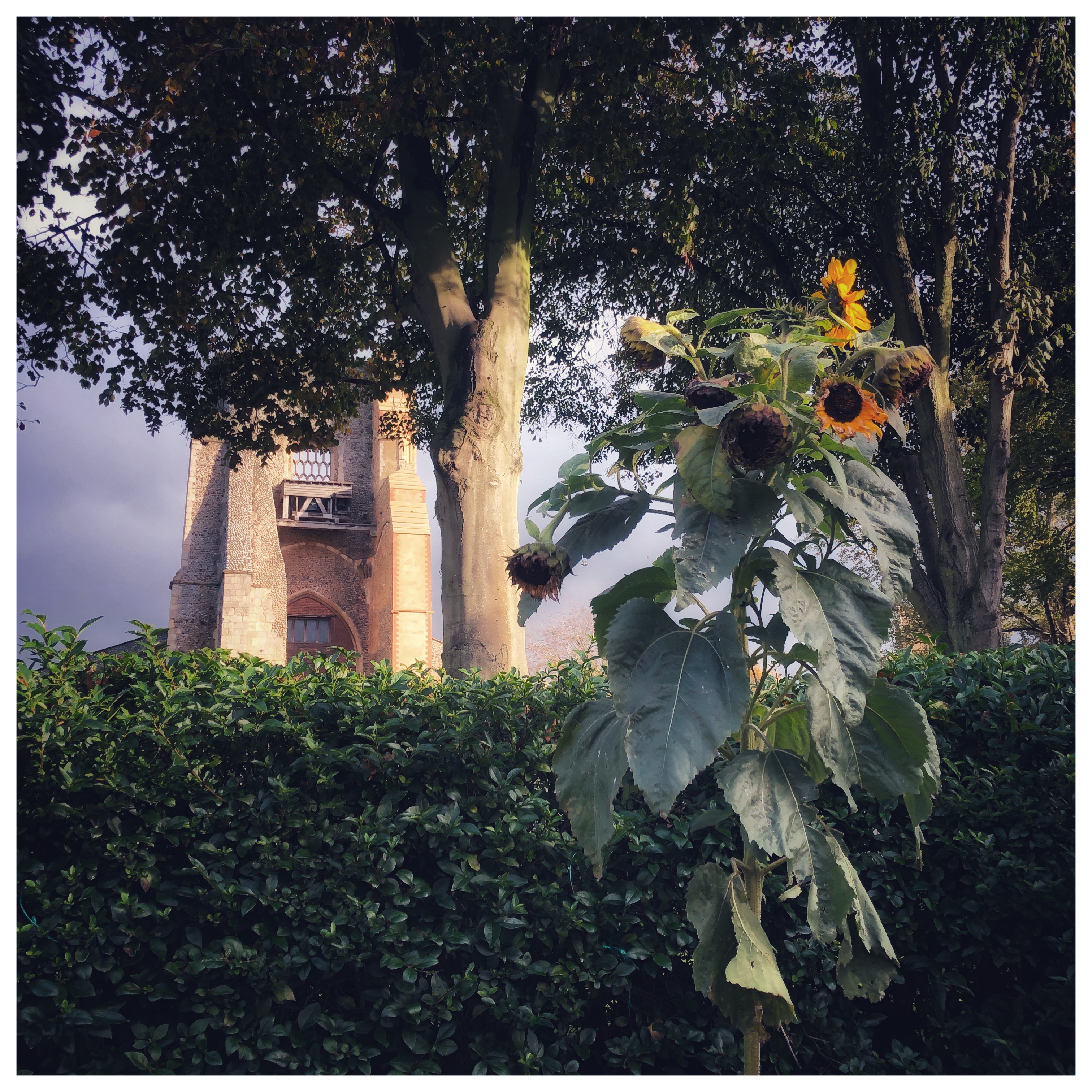
On the role of optimism: “Some men lost all hope, but it was the incorrigible optimists who were the most irritating companions.” I didn’t understand this on first reading. But later Frankl writes that a prisoner had to find meaning in their unavoidable suffering: “His unique opportunity lies in the way in which he bears his burden…we refused to minimise or alleviate the camp’s tortures by ignoring them or harbouring false illusions and entertaining artificial optimism…it was necessary to face up to the full amount of suffering“. But what he labels “tragic optimism” is important – making the very best out of a tragic situation. In this sense, optimism enables suffering to be turned into a human achievement, guilt to be used as a source for improving oneself and the transitory nature of our lives to incentivise the taking of responsible action.
On happiness: Frankl refers to professor of psychology Edith Weisskopf-Joelson who considered as an unhealthy trend in the US (this was in the 1950s) an over-emphasis on being happy – that it deprived someone who was truly suffering of the opportunity to be “proud of his suffering and to consider it ennobling rather than degrading” causing not just unhappiness but a feeling of shame about being unhappy. So it seems that both ignoring the reality of your suffering may be just as harmful as giving up and becoming resentful, feeling that nothing has any value. I think this message resonates still today. We are bombarded constantly in the media with picture perfect lives yet – particularly for someone young – making comparisons against such unachievable standards is not healthy. Indeed, it’s an emphasis on the wrong thing: “happiness cannot be pursued; it must ensue“.
On responsibleness: the idea of responsibleness is a recurrent theme as Frankl addresses the meaning of life. In fact, he points out that there is little to be gained in searching for meaning in the abstract: “‘Life’ does not mean something vague, but something very real and concrete“. Meaning is to be found in everything you do, day to day, hour to hour: “the potential meaning inherent and dormant in all the single situations one has to face”. This will differ for each person. Life poses the questions, but it “ultimately means taking the responsibility to find the right answer to its problems.” It is for this reason that he advises: “Live as if you were living for the second time and had acted as wrongly the first time as you are about to act now“.

Frankl writes also how responsibleness and freedom must go hand in hand – they form the “whole phenomenon“. Without responsibleness, freedom “is in danger of degenerating into mere arbitrariness“. In this sense, responsibility provides the boundaries within which you exercise your freedoms and in doing so enables you to choose. Rights give you access to the world, but responsibility gives you fulfilment. There is a quote in Matthew McConaughey’s new memoir Green Lights (which I’ve not yet read fully) which states: “We fool ourselves in freedom if we think it means getting rid of the constraints around us”. In Beyond Order (also yet to be read in full), Jordan Peterson similarly notes that: “Your life becomes meaningful in precise proportion to the depths of the responsibility you are willing to shoulder”. As he puts it – pick up the extra weight.
What then are your duties? What are you doing right now to fulfil your purpose? Where do you find meaning? For me, it’s to provide as good a life as I can for my family – to educate and encourage right actions through right thoughts. But it is also to enjoy the small things, the day to day. For it is the transitory nature of events which serves as “a reminder that challenges us to make the best possible use of each moment of our lives” – the responsibility to choose what to bring into being and what to “condemn to non-being“.
You can find meaning in everything – from the note you write, the message you leave, the document you draft, the people you love, the people you don’t, the work you do and, most importantly, the harsh realities life brings your way. Few will ever face the suffering of Frankl’s generation – at least, let that be so. But his message is ultimately one of hope, about choice and about finding purpose in bearing your difficulties as best you can, even if that seems so hard to do.

 This way of light
Heavy reading; but am particularly curious to follow up the notion of ‘tragic optimism’. Thanks, Linda xox
Thanks for taking the time to read this in a busy world. I’m hoping to re-read the book soon. Best Paul.
So many blogs, so little time! 💕