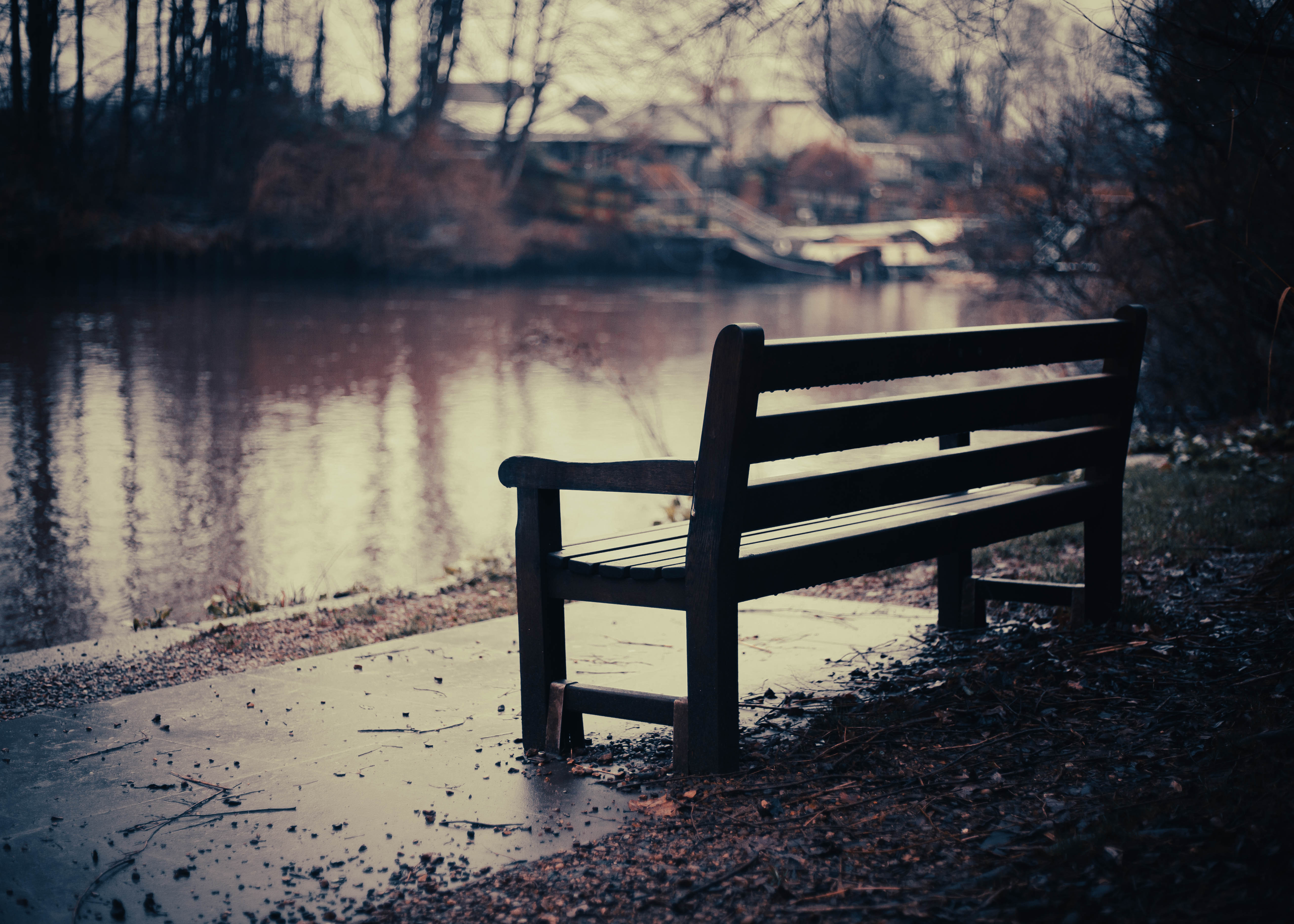
As we rotate through another year, the act of reflection draws me in again. Reflection is not static. It sees a change in direction – light strikes a surface and is thrown back. Sometimes, it reveals where you are – a mirror image is presented. Other times, the angle of reflection means the light bends a new path – bringing to surface questions on which way you might head.
Reflecting might not provide total clarity. There are layers of darkness through which our illuminating thoughts will penetrate but eventually they will fade, like light as it sinks into the still water. But even so, good luck trying to bring a sense of order and understanding without contemplation.

One podcast I like to listen to is The Art of Manliness – hosted by Brett McKay – and I recently came across an interview with Gregg Kech who spoke about Naikan: the Japanese philosophy and art of self-reflection. I had not heard of it before and found the podcast intriguing. It is well worth a listen. It is beautifully simple – ask yourself 3 questions for self-reflection:
- What have I received? It’s not so much about what you are grateful for. It’s purely factual. The aim is to provide a more complete view of reality, develop a way of seeing things as they are and understand what other people do for you.
- What have I given? The other side of the account.
- What troubles and difficulties did I cause? This looks to provide an insight into how others might perceive you and what it is like for them in dealing with you.
It may be the insolvency lawyer in me, but there’s something appealing about the weighing up of credit and debit in this approach. The production of a personal balance sheet. Inevitably, you’ll see a deficit – a debt owed to the many people who support you.
How might I answer these 3 questions looking at a recent day? Briefly. I received the time to walk and photograph while my wife stayed with the boys, the use of a camera and lens to allow me see things I wouldn’t otherwise, the protection and warmth of a hat against the cold and rain, the attention of my boys playing Super Mario Kart (and losing). I gave my family a meal of fish pie. I gave my family a meal of fish pie.
By asking these 3 questions, you can begin to move from a complaint based life (this went wrong) to appreciation (this went right). It’s not about changing your thinking, but changing where you put your attention to change how you experience your life. Or, as Henry Thoreau put it: “The question is not what you look at, but what you see.“
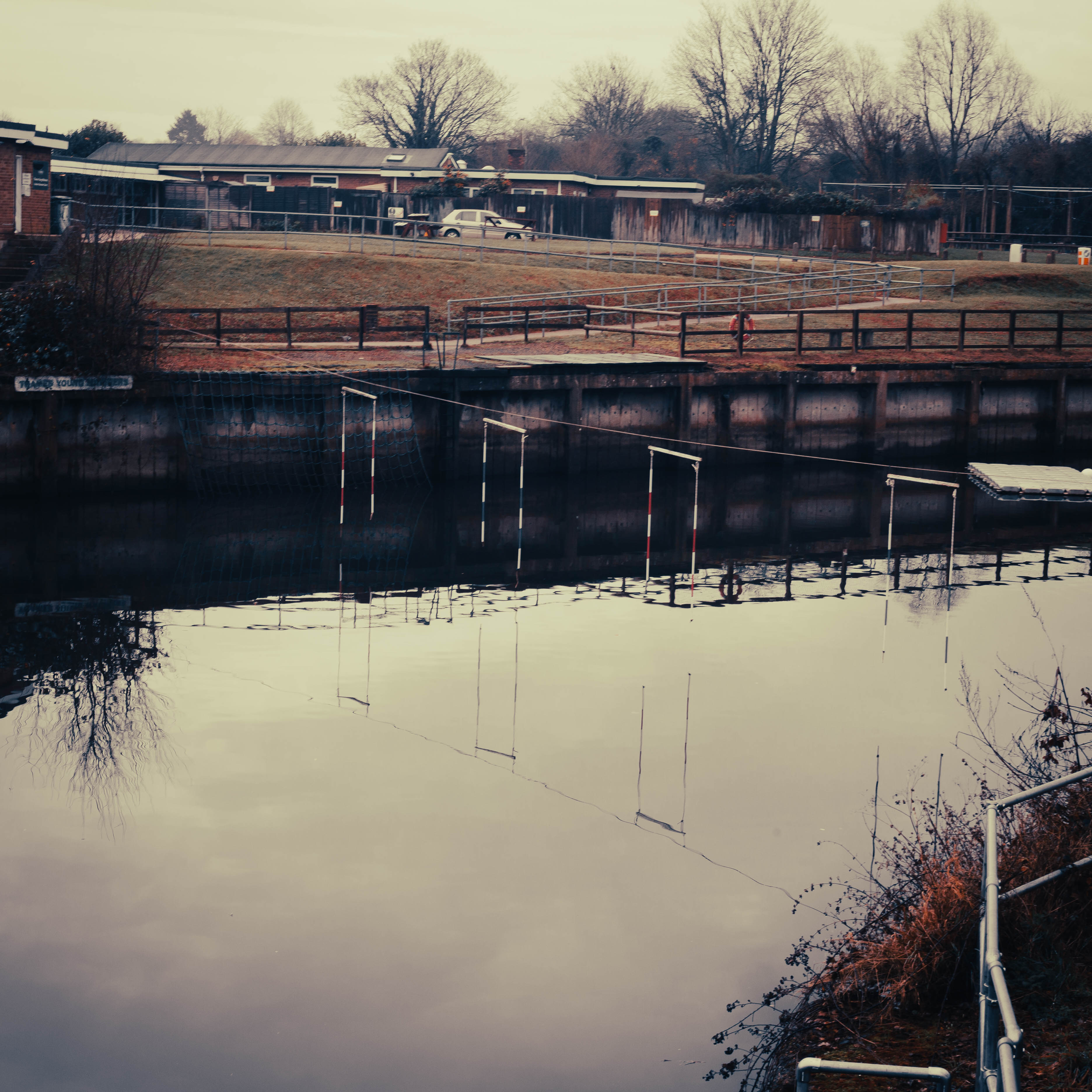
And so often with photography it’s not just about what is in front of you. The image represents more than that. It’s a way of reflecting on how you see things. Not just when you press the shutter but also when you develop the image or choose the words (if any) to accompany it. Much later too, what you perceive may change.
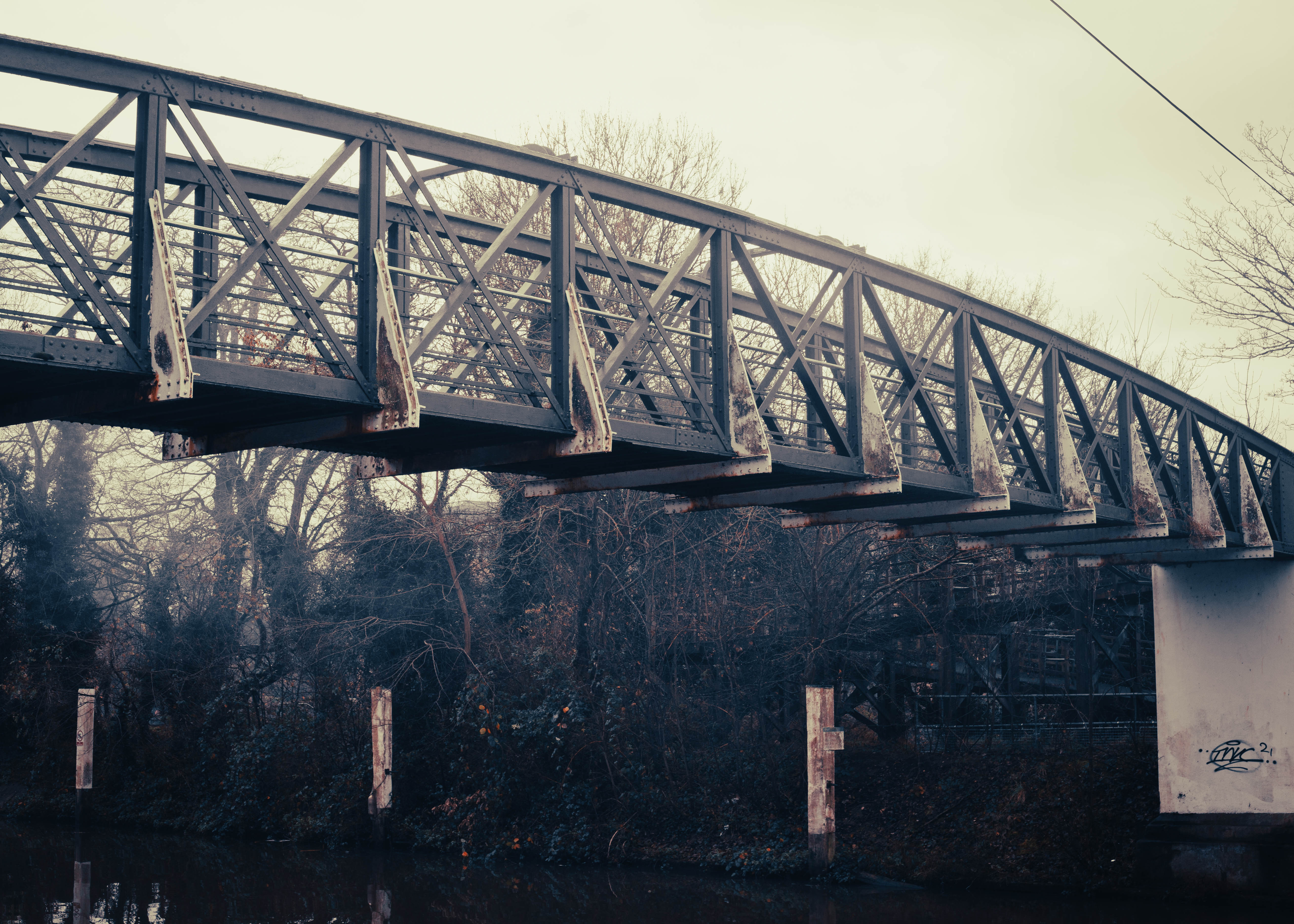
At the end of December, the inevitability of change is heightened. We move from one year, to the next whether we want to or not. It’s a time when reflecting seems to come naturally. It provides a bridge from the old to the new, without which, where would you be?
Back in the spring, I came across this memento mori of Marcus Aurelius (from Meditations, though I actually read this in the opening of Creatures of a day: And other tales of psychotherapy by Irvin Yalom). It’s on the theme of reflecting about the impermanence of life:
“All of us are creatures of a day; the rememberer and the remembered alike. All is ephemeral – both memory and the object of memory. The time is at hand when you will have forgotten everything; and the time is at hand when all will have forgotten you. Always reflect that soon you will be no one; and nowhere.“
That’s surely a reflection worth paying attention to.

 This way of light